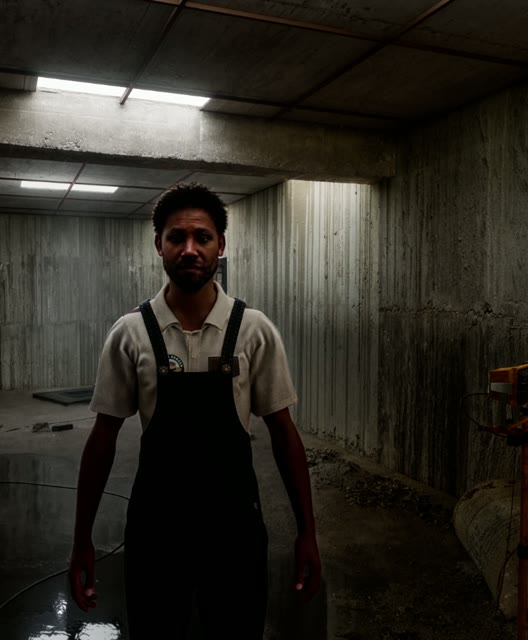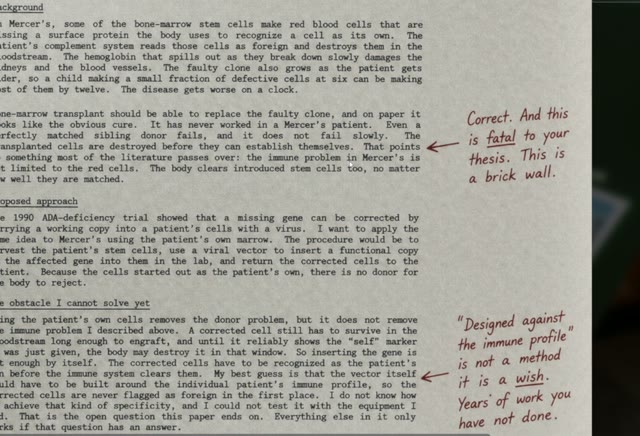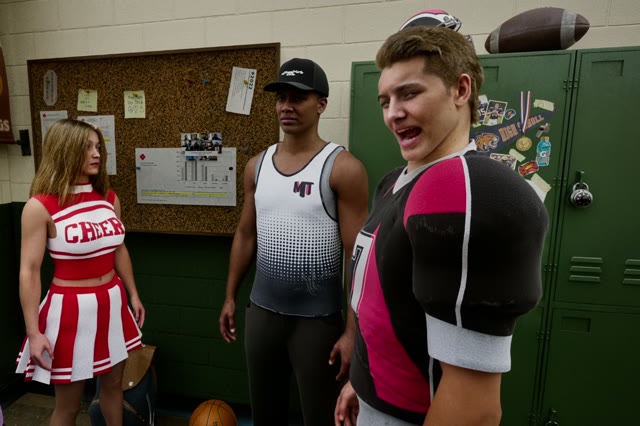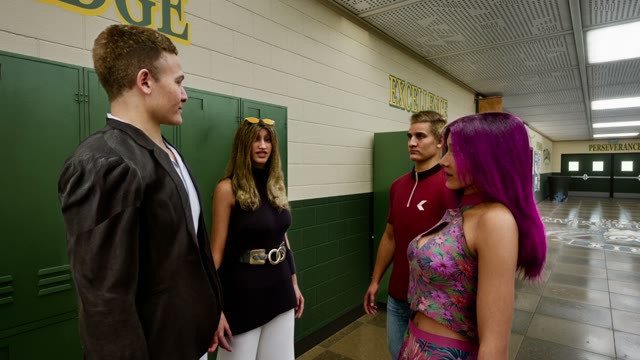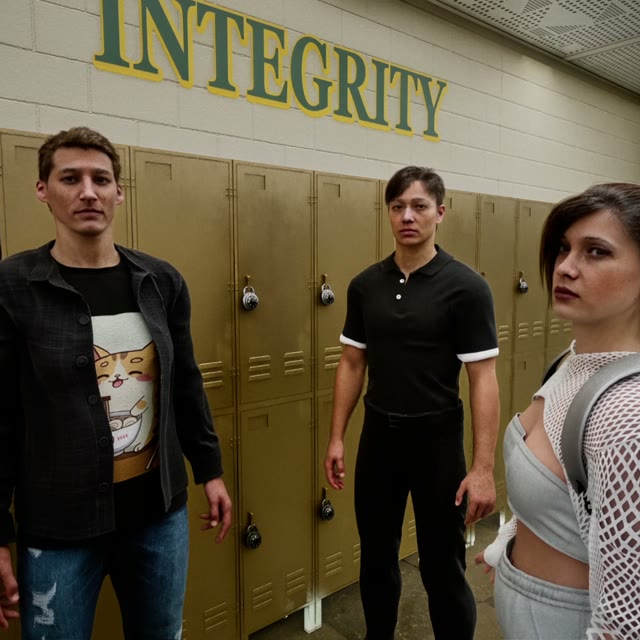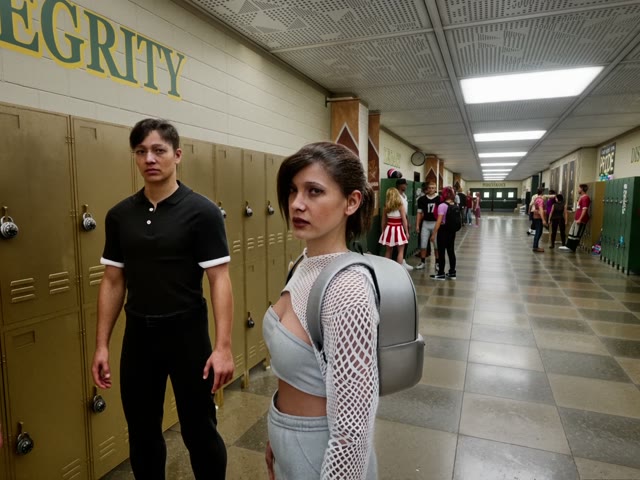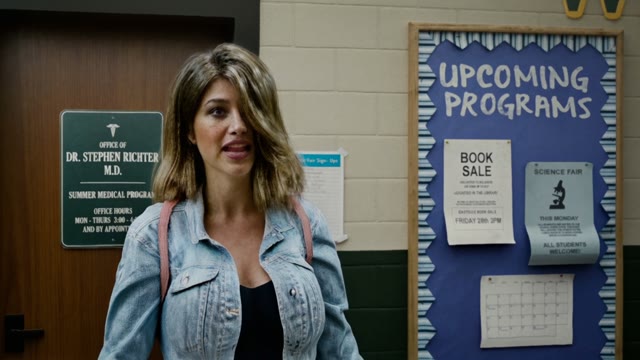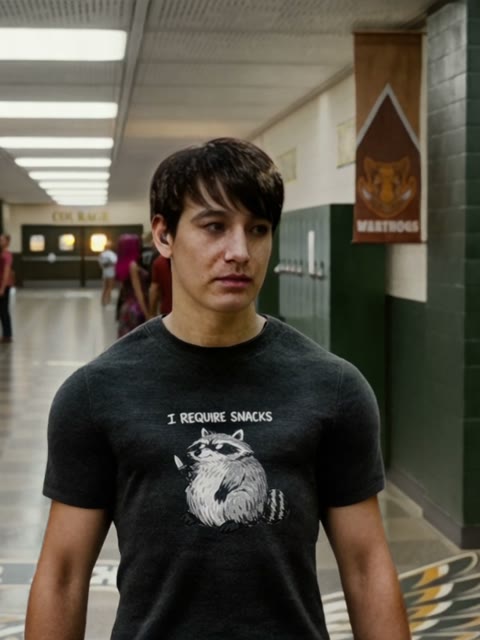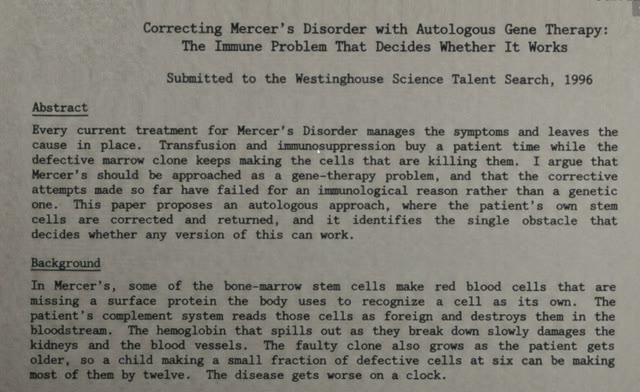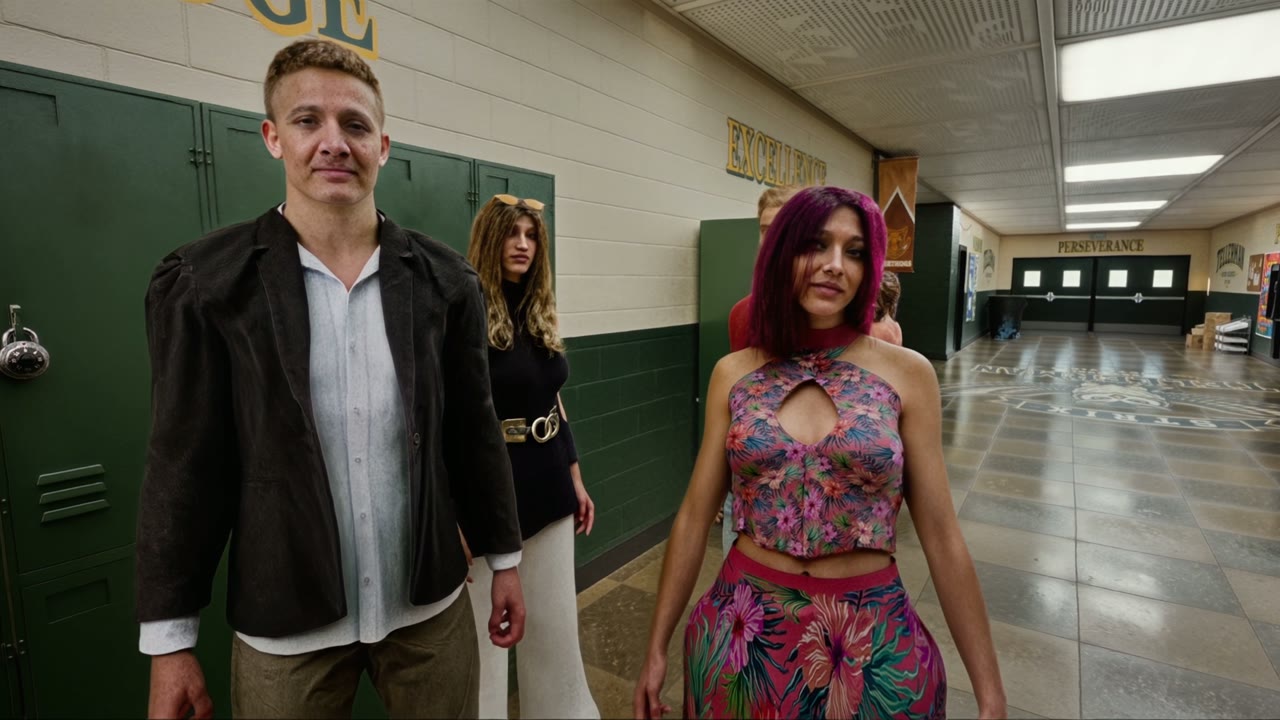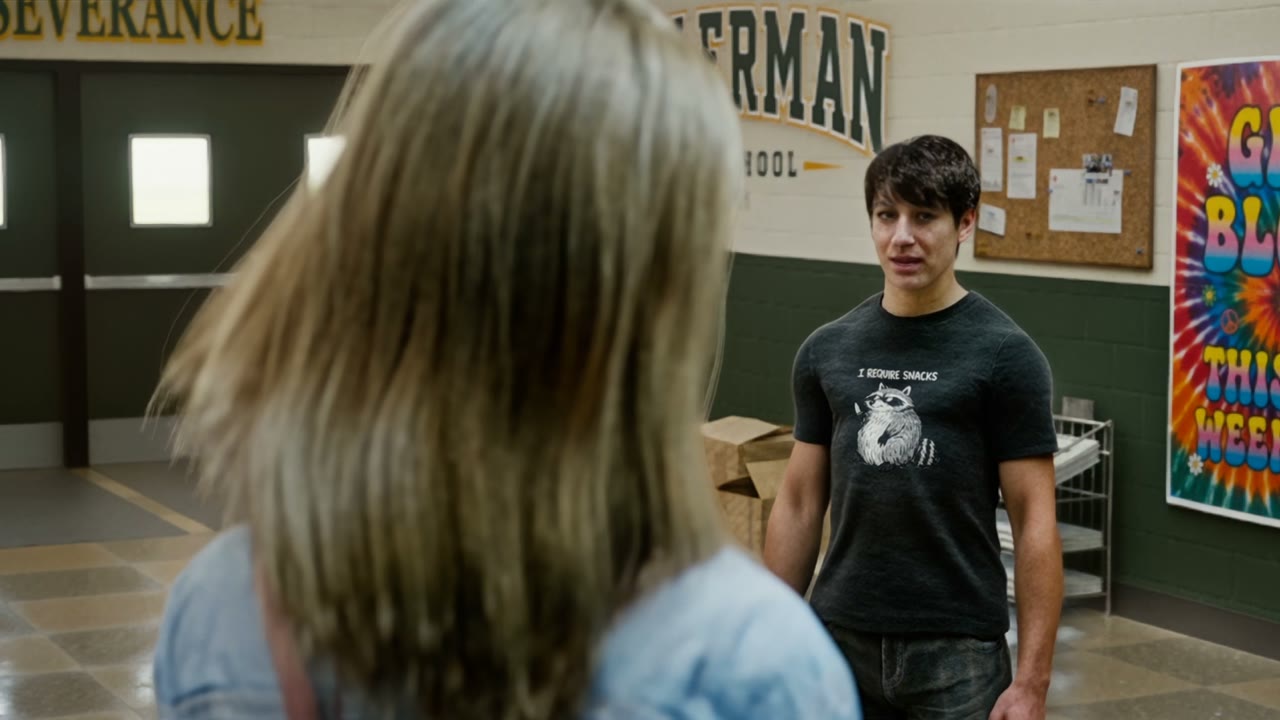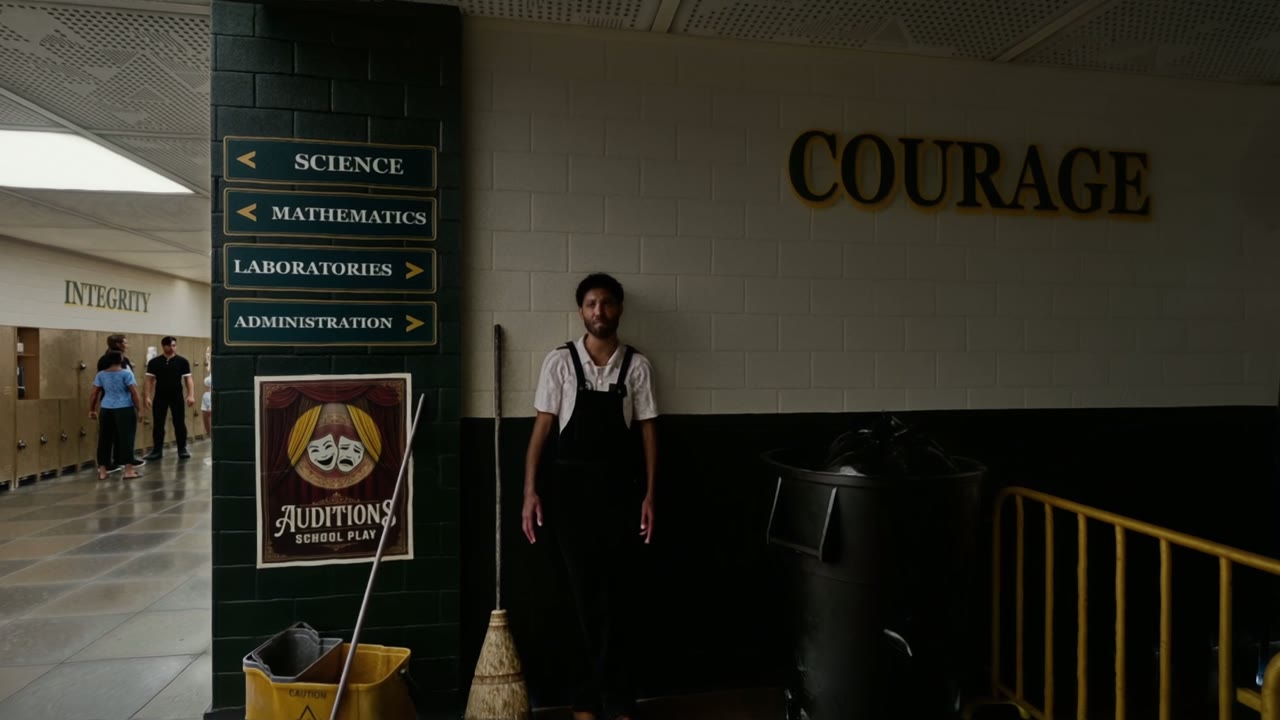
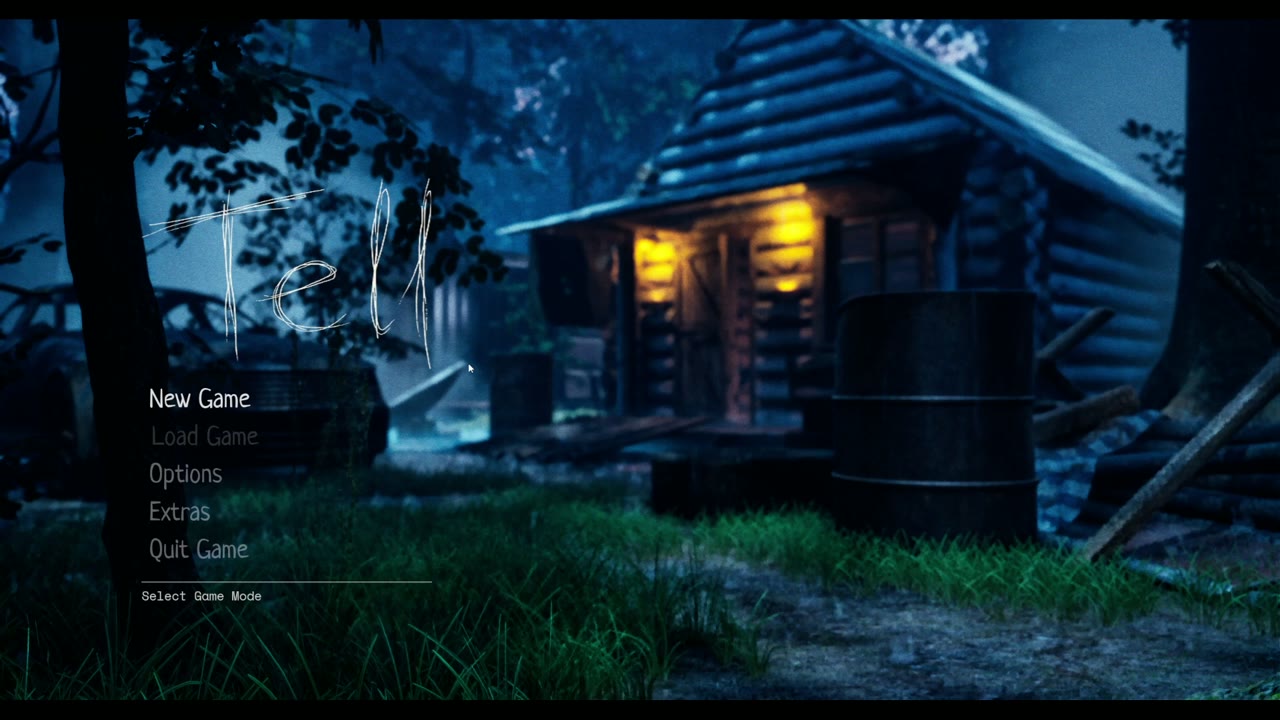
TELL is a cinematic story driven video game experience by a Senior Unreal
Engine Artist behind hundreds of TV shows, films, AAA Virtual Productions and
live XR events.
Powered by Unreal Engine 5
01 / The Game
A Game Built on Immersive Social Dynamics, Personalities, Psychology & Relationships
TELL reinvents the concept of NPCs into living, breathing socially aware characters.
Using real human Big Five ‘O.C.E.A.N.’ psychology, interpersonal relationships and
real-time procedural behavior, TELL’s characters are aware of their world and the
people in it, and respond to what happens around them.
01
NPC Awareness
Non-player characters are aware of the people, objects and environment around them,
and react according to their psychology, relationships and personality. Everything you do is scored behind the scenes and changes how characters respond to you.
02
Make Choices
Conversations branch on what you say, and nothing is forgotten. Every lie you tell
is remembered by the person you told it to, and it comes back at the moment it
costs you most.
03
Question Liars
Every character in town has a motivation and a life. Learn what makes them tick,
find their ‘tell’, and call them on it before the killer gets ahead
of you. But accuse a truth-teller or tip off a liar and you’ll damage the relationship and lose ground in your investigation.
04
Explore the Town
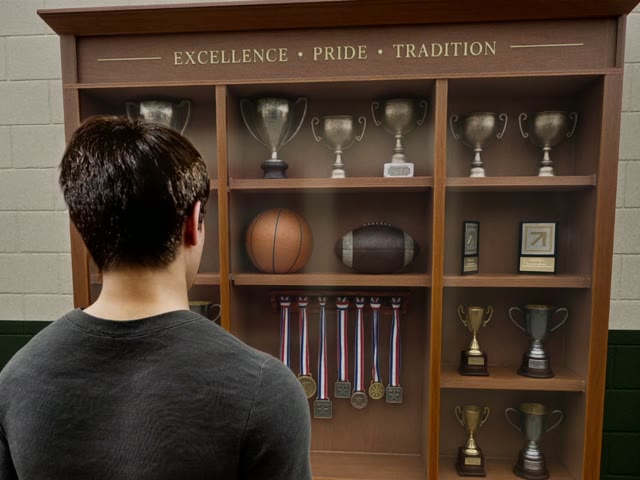
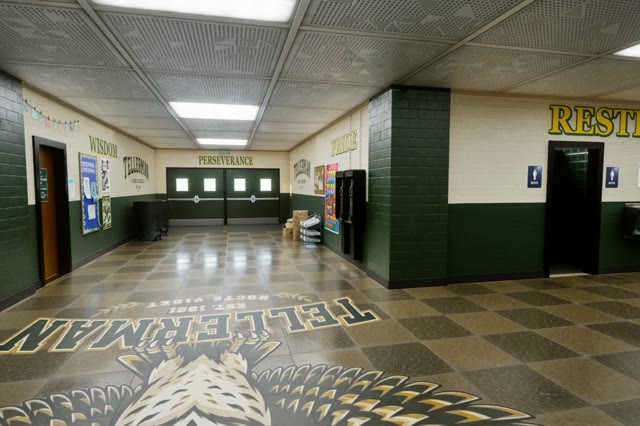
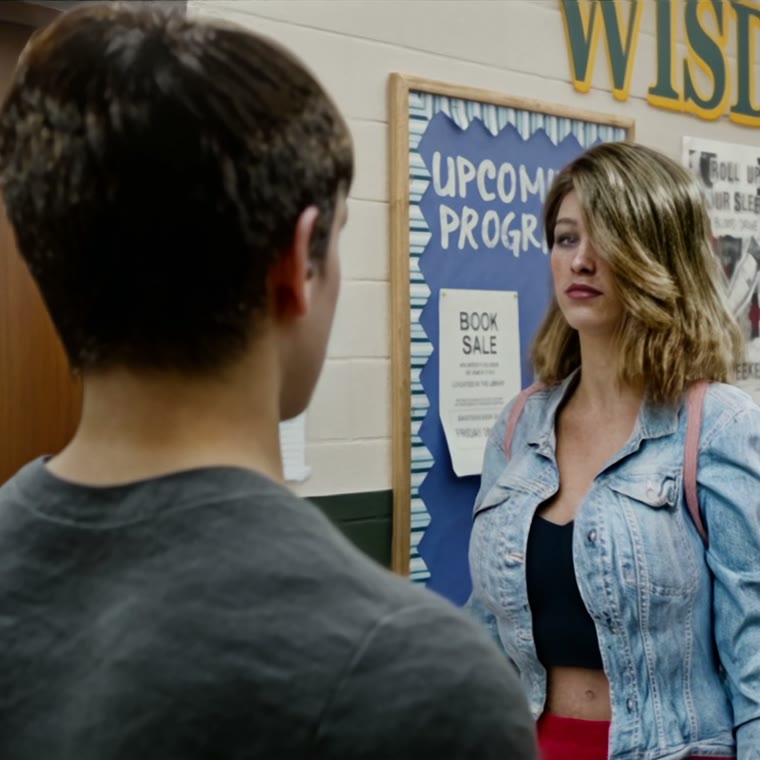
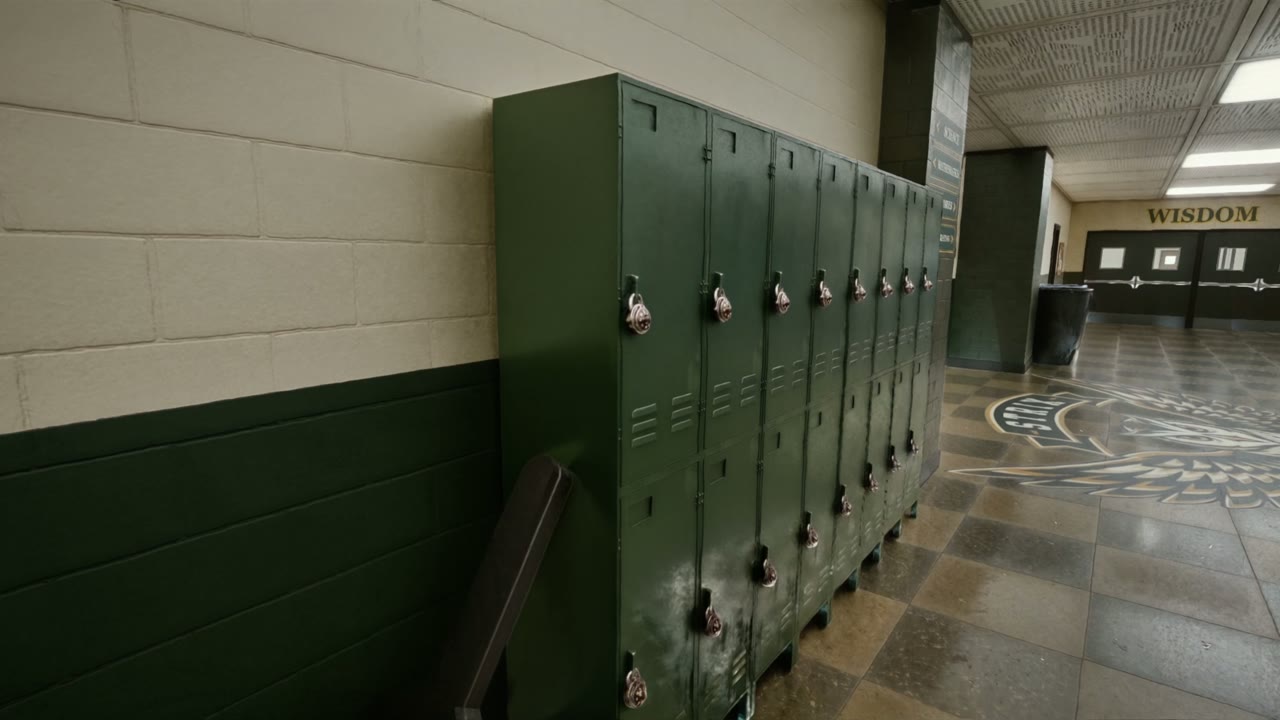
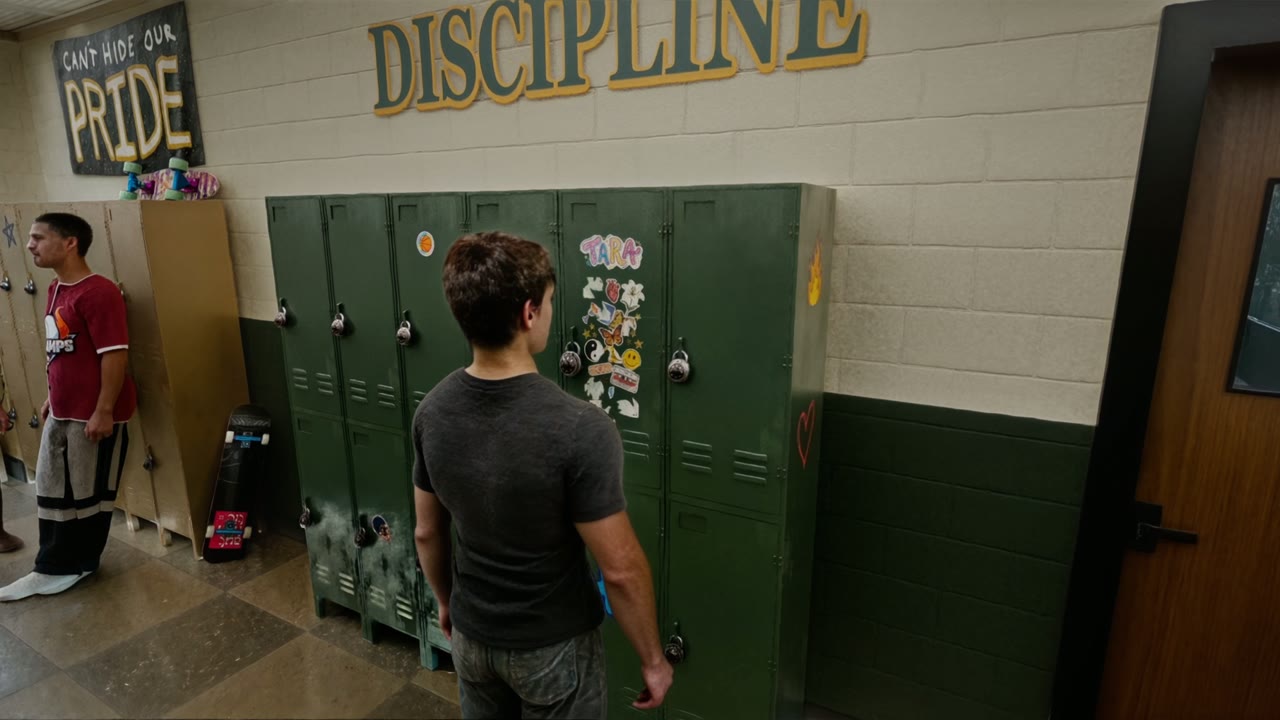
Investigate a small town in the North Carolina hills, in whatever order you like: the protagonist’s former high school, eerie backwoods cabins, secret rendezvous at motels, and the covered-up history of its landmarks.
05
Build Relationships
Everyone in town has an opinion of you that changes with every interaction. Trust, attraction, romance, contempt and collaboration are all weighted, and they shift with what you say and what people see you do. Forge friendships or lie your way to your goals?
06
A Rich Story Built on Depth
Written as a screenplay long before it was a game, TELL is a rich single-player
story featuring a cast of characters with histories you may never uncover.
Intended to speak to the human condition, it captures everything from adventure to
romance, danger to introspection. See the world through Clay’s eyes, or bend
him to your own.
02 / The Story
Tellerman High, Summer 1996
ConfidentialPage 1 of 1
Investigative Brief
Case No.
96–0431
Written by
Matt Baamonde
Subject
Mason, Clay
Status
Active
Confidential
Clay Mason was a brilliant high school student at the top of his class, aiming
for a future at MIT, when his parents suffered a horrifying event in the backwoods
of the North Carolina mountains. With his father missing and his mother traumatized
and disturbed, Clay was forced to drop out of high school to provide income for the
family.
Years later at 19, Clay has resorted to illegal means in order to make a living,
until he is busted by a rogue police officer with an ulterior motive. Detective
Bullock wants to recruit Clay to help him investigate a series of unspeakable
murders by a smart, adapting serial killer with no known motive, before the killer
murders his captive partner. Bullock needs someone who can sit across from a
stranger and know they are lying, and Clay has been able to do that since he was a
boy. For his partnership, Clay is given the chance at a GED and a real future, as
well as to find out what really happened to his dad.
All leads currently point back to Clay’s former high school. Tellerman High
is an old medical school, renovated into a modern lab for a post-high-school summer
med program, with guest experts brought in from around the country. Hoping to find
the next suspected victim, Tara Ashcroft, before the killer does, Clay must go in
undercover as a pre-med student to learn what is really going on before the killer’s
tracks are covered.
Subject is not to be informed of
his mother’s case file under any circumstances.
Prior surveillance of the Ashcroft residence remains
sealed pending review by the field office. One further
note for anyone handling him: he knows when he is being lied to. Bear that in
mind.
Not for distribution
M. Bullock / personal log
June 2Bodies keep turning up and every one of
them ties back to that school. Nobody upstairs wants to hear it. Burke did.
June 9Burke is gone. Two weeks now. Note came
under my door, handwritten, telling me to stop looking or she dies. So I stopped
looking the way they can see me looking.
June 14Found a kid. Nineteen, brilliant, running
something he has no business running. Watched him three days. He clocked a man
lying from across a room and did not even look up.
June 15Got the kid in custody. Keeping this log
in case anything happens to me. Or to Burke. I do not know what I am doing and
this still feels like my best option, which tells you something. His father has
been gone since he was small. I am going to use that to get him to say yes.
June 17He said yes. A GED, a future, and I told
him I would look into his father. Two of those three I can actually deliver.
June 18Program starts this morning. He goes in
as a pre-med student. If I have read this right, the Ashcroft girl is the one
they go for next. He is walking into that hallway in ten minutes and I will be
in his ear the whole way.
If you are reading this and I am not around: start with the school. Start with
the doctors.
Recovered from a recycling bin, second floor. Undated. No attribution.
EvidenceItem 03
Threat, received
She is alive. Stop looking, and she stays that way.
Slid under the door of the field office overnight,
sometime between the 8th and the 9th. Torn from a spiral notebook. No prints,
no postmark, nobody on the stairwell camera. Whoever wrote it knew which door
was mine.
Featuring the brand new proprietary FacialRAS Plugin created by Matt Baamonde.
Rendering
Lumen
Real-time global illumination and reflections, no baked lighting.
Nanite
Virtualised geometry across the school and the town.
Ray-traced shadows
Contact shadows on hair and skin, where raster falls apart.
Physical lighting
Real-world intensity units and locked exposure, lit like a set.
Characters
MetaHuman
The whole cast, assembled and dressed in-engine.
MetaHuman Animator
Performance capture solved onto the face rig for hero lines.
RigLogic
The MetaHuman facial solver, driven live by the plugin’s curves.
Grooms
Strand-based hair, rebound per character after retargeting.
Chaos Cloth
Simulated garments on every student.
Animation
Motion Matching
Epic’s Game Animation Sample driving player locomotion.
IK Retargeter
Live retarget from the sample mannequin onto MetaHuman skeletons.
Control Rig
Runtime IK for foot planting and hand contact.
Animation Blueprints
Post-process graphs, where FacialRAS composes over everything.
Sequencer
With a custom track family for emotion, gaze, dialogue and blinks.
Systems
C++ and Blueprint
The plugin is C++; the game logic on top of it is Blueprint.
Data Assets
Characters, relationships, conversations and reactions are all data.
Enhanced Input
Contextual mapping contexts for movement, interaction and close-ups.
PCG
Procedural scatter for the environment.
Scene Capture
Render targets behind the journal and the examine views.
UMG
The journal, the choices, the inventory and the HUD.
1 / 4
Placeholder captures. Swap for plugin screenshots.
Built on FacialRAS
A proprietary performance engine for MetaHumans, developed exclusively for this game.
FacialRAS is an Unreal Engine 5 plugin that drives MetaHuman performance procedurally: where a
character is looking and why, what they feel, how their personality shapes what
they show, and what leaks out when they try to hide it.
No motion capture. No per-character animation. It runs on a crowd.
Every tick in TELL, every NPC takes stock of their environment, consciously or unconsciously,
and reacts accordingly, based on a hierarchy of interest points, characters, objectives or events.
Their emotional reactions are genuine to who they are and their psychology.
Attention
Eight-tier social arbitration. Characters notice
what a person would notice, and look away when a person would.
Emotion
A continuous emotional state shaped by personality, which
drives the face, the posture and the breath. Nothing canned.
Concealment
Characters mask what they feel, and leak it anyway.
Masked smiles, suppressed tension, micro-leakage.
Conversation
A director that stages scenes, handles interruptions,
and resumes them the way real conversations recover.
The vocabulary
Real Human Psychology and Social Dynamics
TELL reflects real human psychology and behavioralism. Every face in the game runs on these logic trees.
The attention loop: characters noticing, and looking away.
Reticular Activating System
In people, the reticular activating system is the filter that decides which of the thousand things in a room are worth noticing, and lets the rest fall away. It is why you hear your own name across a loud party.
In TELLEvery character runs an eight-tier arbitration over everything they can perceive. Targets are scored by category, salience, distance and what the character thinks of them, then gated by how far that character can see and how far they care. A voice raises the priority of whoever is speaking, but only after a personal reaction time, so a group turns toward a new speaker in a ragged stagger rather than a synchronised swivel. Dwell, habituation and return-stickiness keep the eyes from flicking between equally interesting things.
The same line, performed by two different people.
The Big Five
Openness, conscientiousness, extraversion, agreeableness, neuroticism. The most empirically supported description of personality that psychology has produced.
In TELLEach character carries a value on every axis, compiled at load into runtime dials rather than checked at branch points. Neuroticism raises blink rate, saccade jitter and how easily fear takes hold. Extraversion scales how large expressions run and how much feeling bleeds into speech. Low conscientiousness widens gesture. Agreeableness slows how fast trust decays. Two characters given the same line and the same emotional state will not perform it the same way.
A composed face, and what escapes it.
Machiavellianism, narcissism, psychopathy
Three traits that describe how a person manipulates, and how well they conceal that they are doing it.
In TELLIn TELL they mostly govern masking. A character high in Machiavellianism suppresses negative expression while positive emotion is on show, so what you see is warmth and what they feel is contempt. The felt state is never overwritten, only the shown one, and that gap is what makes leakage possible: suppressed emotion escapes as micro-flashes, a lip press, tension on one side of the brow. High psychopathy also kills the Duchenne markers, the eye crinkle that separates a real smile from a worn one.
Establishing a baseline before the pressure starts.
Reading someone in seconds
People form accurate judgements of each other from very short observations, seconds rather than minutes. What thin slicing does not do is catch lies: deception accuracy across the literature sits barely above chance.
In TELLThat distinction is the whole game. The first read establishes a baseline, who this person is and how they behave when nothing is at stake. A tell is then a deviation from that baseline, not an entry in a dictionary of guilty behaviours. QUESTION is built on it: find the anchor, find the tell, bait the question, then decide whether you believe them. Because every baseline is generated from that character’s own personality, the noise is fair.
Trust and attraction shifting across a conversation.
Relationships that move
Attraction, trust and resentment are not a meter that fills. They are a running account of how someone has been treated, and they colour everything that person subsequently notices, feels and says.
In TELLEvery character holds a profile toward every other, yourself included: trust, attraction, contempt, collaboration. Those values change how strongly you register in their attention, what emotion the sight of you injects, and how they behave once a conversation starts. The game also keeps an append-only record of every lie you tell, per person. When their own story comes out, that record converts to trust damage, so a romance built on charm and lies collapses at precisely the moment it is revealed.
04 / The Roadmap
Where it stands
TELL is past the idea stage. Everything marked shipped is built and
running in engine today. The rest is content, polish, and the work of
finishing.
Shipped
The performance engine
Attention and gaze, emotion and personality, full-face dialogue, the
conversation director, procedural body and idle library.
Shipped
A world to put it in
The vertical-slice demo level, 20+ concurrent NPCs, story beats, save,
journal and inventory.
In build
QUESTION
The interrogation mode. Find the anchor, find the tell, bait the
question, then decide whether you believe them.
Next
The playable demo
Recorded voice cast, branching story beats, and a public build.
Next
The cinematic
One motion-capture shoot for the hero scene, with FacialRAS layered over
a captured performance.
Next
FacialRAS, released
Documentation, a sample project, and the plugin published for other Unreal
teams.
Scroll to advance
1 / 6
05 / The Creator
One person, a story decades in the making
TELL is made by Matt Baamonde at Baazar Studios.
Everything running in TELL is original work created by Matt: the
attention system, the emotion and personality model, the conversation director,
the procedural face and body performance. All of it built from scratch, then used
to make a game from an idea he wrote down decades ago.
Matt Baamonde started in music. He studied composition at Berklee, played guitar
seriously enough to be good at it, and spent his first working years in music
production and film scoring. A decade in Hollywood followed, across hundreds of TV
shows and films in a range of creative roles, before he moved into visual work as
an Unreal Engine VFX artist and character animator.
He now works in real-time virtual production, where rendering, animation and
story get made in the same room at the same time. It is the part of the industry
that changes fastest, which is why he is in it.
The skill set is deliberately wide: visual effects, graphic design, 3D animation,
photography, video editing, music production. The music is the part that shapes
how he works. Rhythm and timing are what make an animated performance read as
alive, and he tends to hear them before he sees them.
TELL is the first project where all of it points in one direction.
Solo developer18 monthsC++ / Blueprint / Unreal 5.8Atlanta, GA
The Cast
Everyone is hiding something
Most of it has nothing to do with the case. Telling those two
apart is the game.
Player character
Clay Mason
Dropped out of Tellerman two years ago to look after his mother. Sent back in under a false name, because he can read a face better than anyone they have.
The voice in your ear
Marcus Bullock
A local detective working off the books, hunting the man who took his partner. He cannot move openly on the school, so he runs a teenager instead.
The one you were sent to find
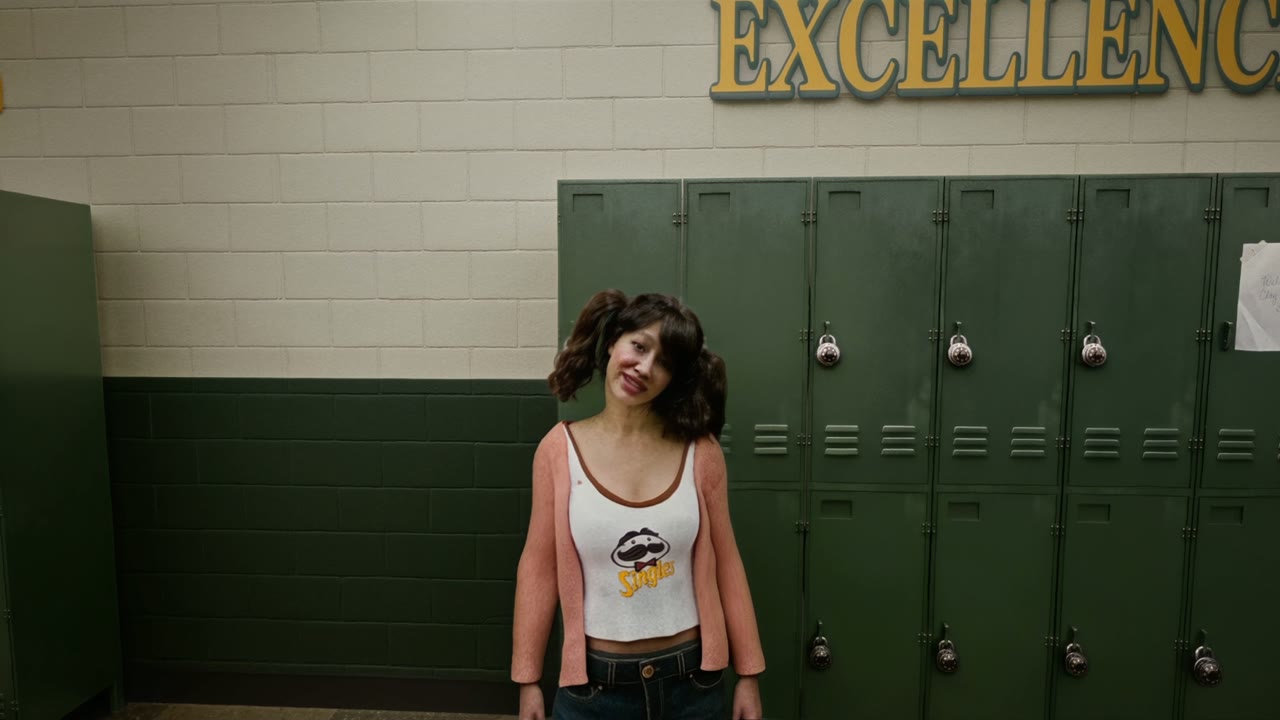
Tara Ashcroft
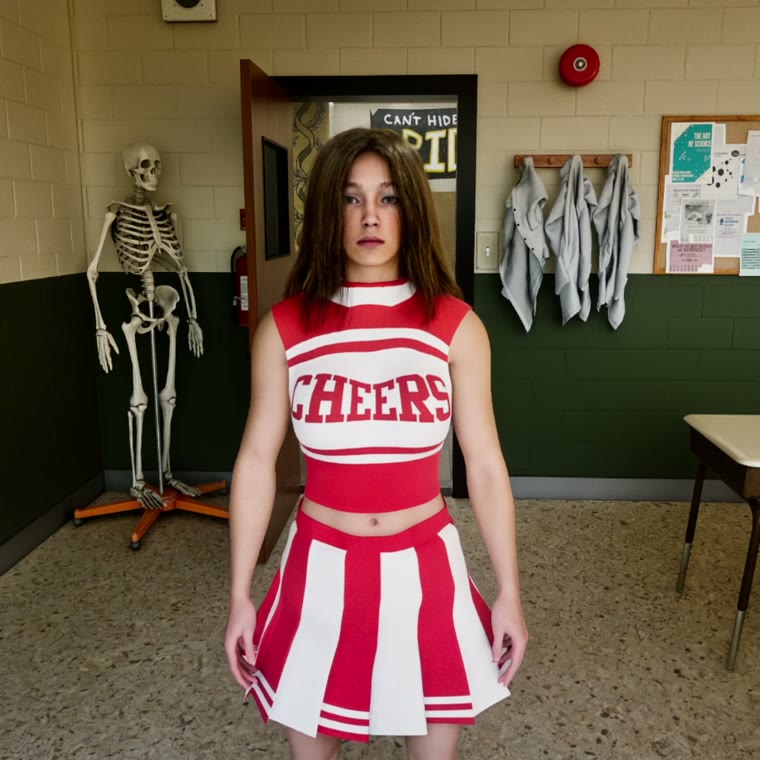
Head cheerleader and the program’s pre-med prodigy, still carrying the twin sister she lost at eleven. Someone has decided she is next.
Missing
Grace Burke
The federal agent working the case alongside Bullock. Taken before Clay ever set foot in the building, and the reason he does not get to say no.
Maintenance crew
Jeremiah Voss
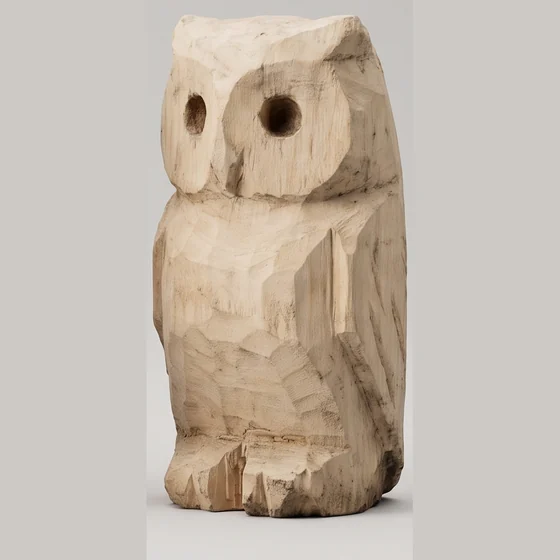
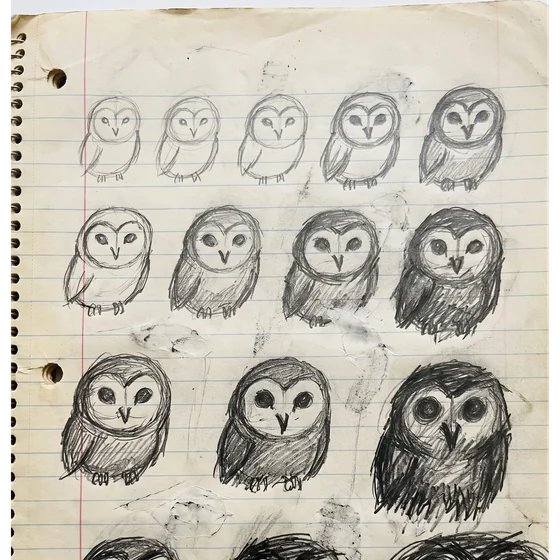
Funny, easy to talk to, and always a half-second wrong on the timing. He whittles owls in the boiler room and he knows every door in the school.
Visiting faculty
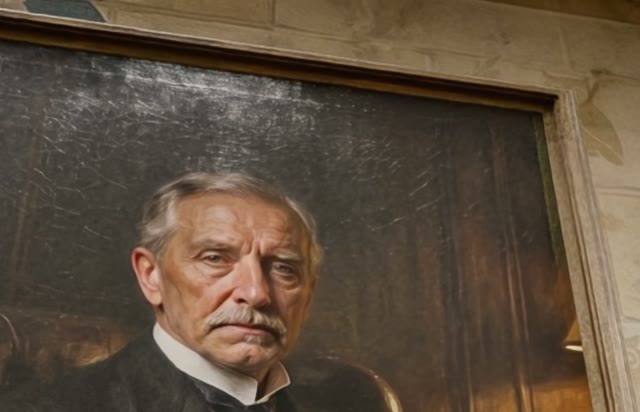
Dr. Stephen Richter
The hematologist the program was built around. Ask him about Tara’s sister and a very composed man stops being composed.
Talks to everyone
Lacey Brennan
She trades in everybody’s business, which is what makes the one secret she is actually keeping so loud.
Benefactor
Charles Ashcroft
Tara’s father. Pharmaceutical money, a philanthropist’s smile, and the only face in the school that gives Clay nothing at all.
The World
Tellerman High, 1996
One building, one afternoon, and a school that has been
renovated around whatever was already here.
Tellerman High
Clay’s old school, reopened as an elite pre-med summer program. Class of nobody he recognizes anymore. The mascot is an owl.
The hallway
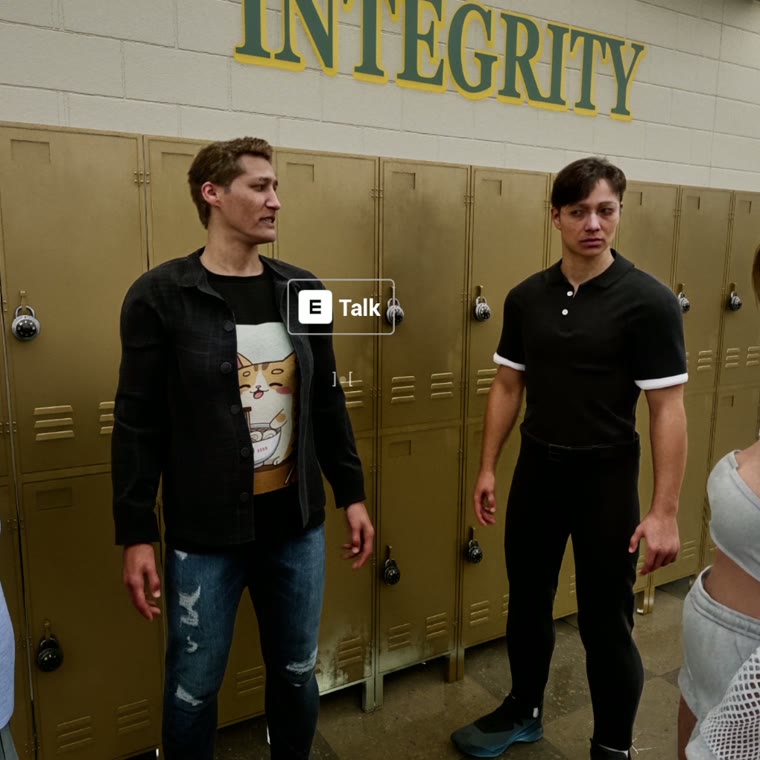
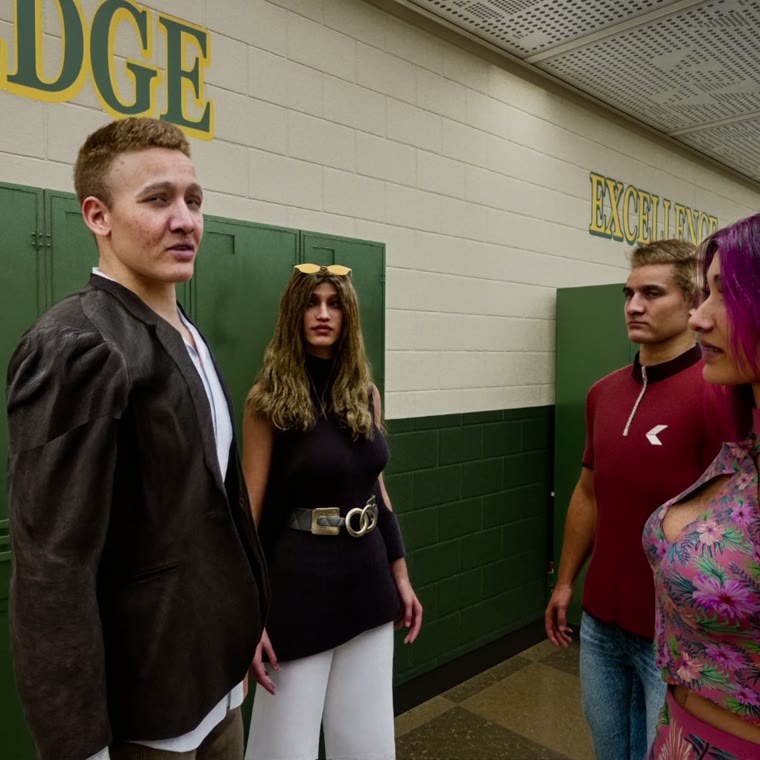
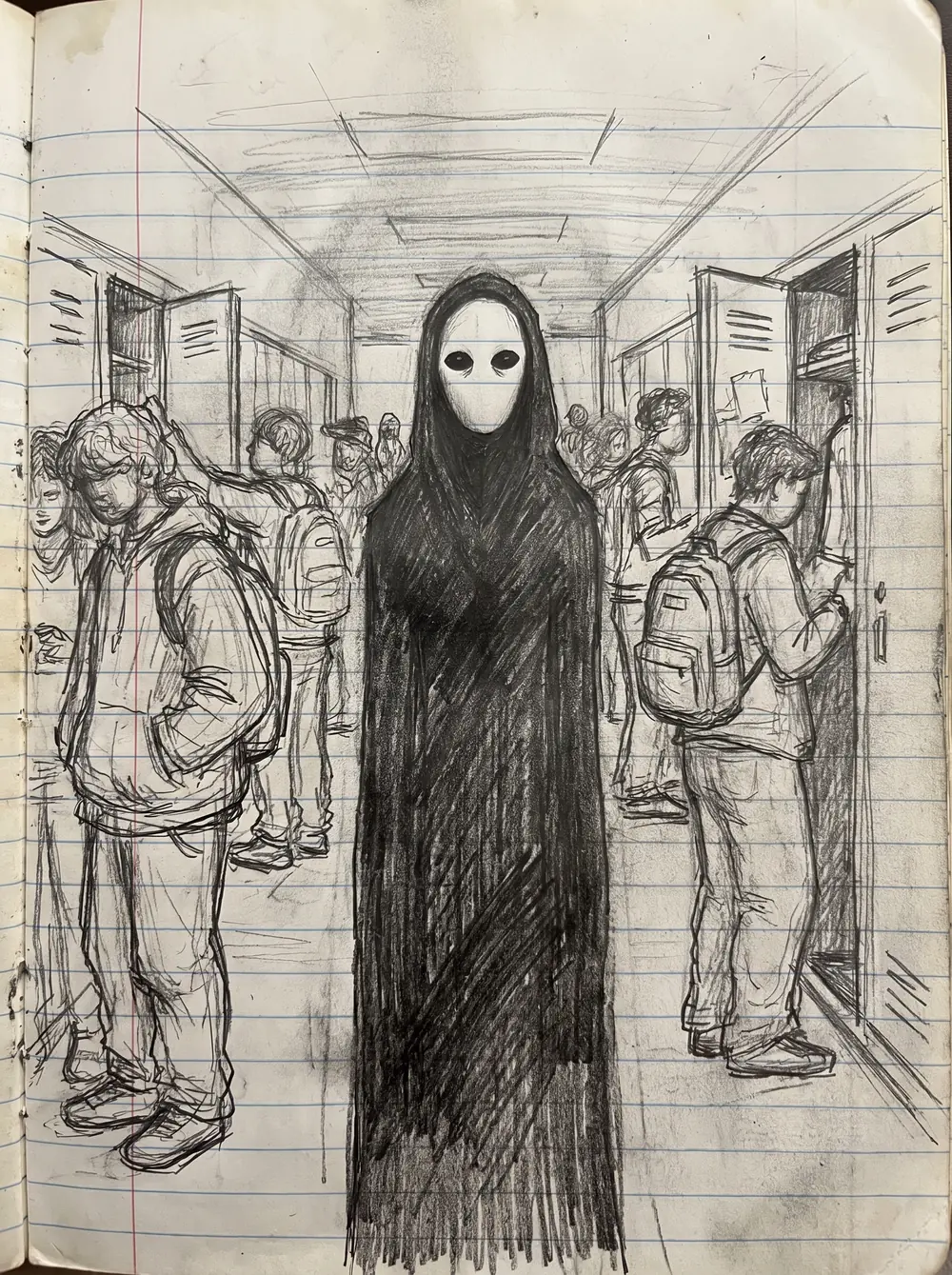
Eight groups of students between you and one answer. You are not allowed to leave until somebody tells you where Tara is.
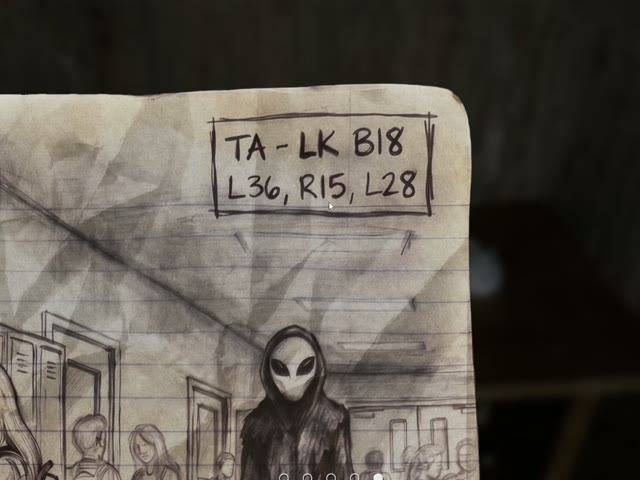
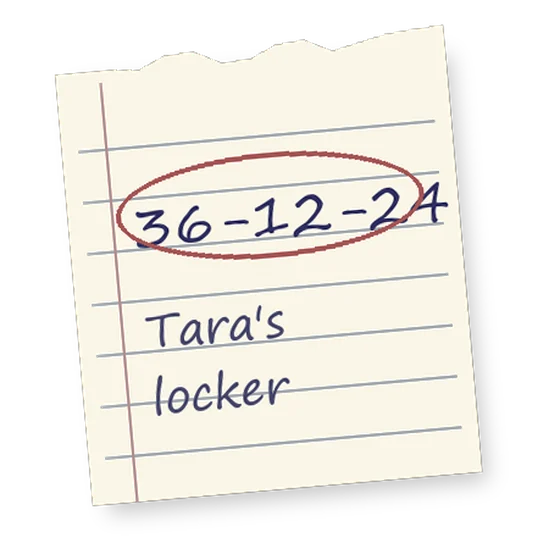
Tara’s locker
Bullock wants it open. You can force it and be the guy who forced it, or find the combination she threw away.
Richter’s office
Locked, and you do not have the keys. Through the door, an argument you were never meant to hear, about bloodwork.
The ruins room
A founding-era classroom the renovation never reached, behind the construction tape. Students sneak in. So does someone else.
Clay’s house
A half-built fusor in the garage, his mother in the next room, and a ham radio on the roof still tuned to his father’s silent frequency.
Stills
In engine
Placeholder images throughout. Swap for
character renders and gameplay captures.
Contact
Say something
Press, publishing, funding, or a question about how any of it works.
TELL is a one-person studio, so this reaches me directly. Press and content
creators: say what you need and I will send builds, stills and capture
footage.